

Condo Practice: A Practical Guide for Paralegals
Condominium law presents paralegals with a distinctive and demanding practice area — one that spans governance disputes, tribunal proceedings, enforcement challenges, and an evolving human rights landscape. From navigating the jurisdiction of the Condominium Authority Tribunal to managing the documentation demands of nuisance and chargeback matters, paralegals working in this area must be technically grounded, procedurally confident, and alert to the points where condo law intersects with broader legal frameworks including the Human Rights Code.
*Financial assistance is available to current paralegal students and paralegals licensed within the last two years. For information, please contact us.
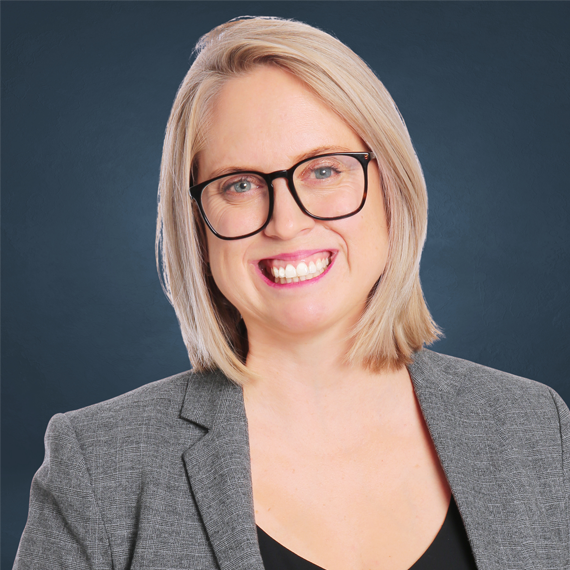
Megan has been a part-time professor, course creator, and mentor in the post-graduate Paralegal Program at Fanshawe College since 2015, and regularly presents for the Law Society of Ontario (“LSO”). She holds Honours degrees in Sociology and Criminology from Western University and was the recipient of the President's Award for Outstanding Achievement in the Post-Graduate Paralegal Program at Fanshawe College. Megan is on the Board of Directors for the Canadian Condominium Institute (“CCI”) for the London and Area chapter and an active member in the CCI education committees for London and the provincial chapter.
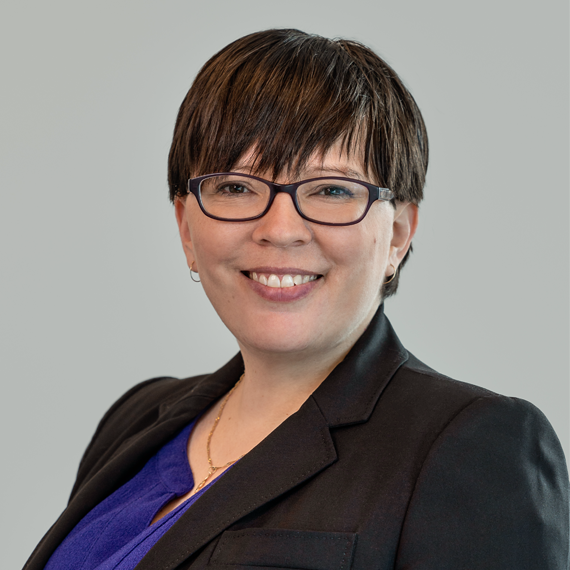
An active member of the Ontario condominium community, Stephanie is involved in multiple Canadian Condominium Institute chapters, sits on various CCI committees, and is a frequent speaker at CCI conferences and seminars. She holds the LCCI (Leader of the Canadian Condominium Institute) designation and was elected as a Bencher of the Law Society of Ontario in 2023 for the 2023-2027 term.
Megan Alexander, Cohen Highley LLP
Megan Alexander is a paralegal practicing in general litigation and multi-residential housing. Her litigation practice focuses on Small Claims Court, including enforcement, where she represents both plaintiffs and defendants in contract and tortious disputes. Within her multi-residential housing practice, she represents condominium corporations at the Condominium Authority Tribunal ("CAT") and assists property/condo managers and landlords with enforcement of arrears, damages, orders, and judgments. She also advises on regulatory compliance and risk management.
Megan has been a part-time professor, course creator, and mentor in the post-graduate Paralegal Program at Fanshawe College since 2015, and regularly presents for the Law Society of Ontario ("LSO"). She holds Honours degrees in Sociology and Criminology from Western University and was the recipient of the President's Award for Outstanding Achievement in the Post-Graduate Paralegal Program at Fanshawe College. Megan is on the Board of Directors for the Canadian Condominium Institute ("CCI") for the London and Area chapter and an active member in the CCI education committees for London and the provincial chapter.
Michelle Kelly, Partner, Robson Carpenter LLP
Michelle Kelly is a partner at Robson Carpenter LLP, where she practices condominium law with a focus on representing condominium corporations. Her work spans the full range of corporate needs, including drafting and interpreting condominium documents, collecting common expense arrears, calling and chairing owners' meetings, negotiating shared facilities disputes, and advising on complex legal issues.
Michelle is an active figure in the Ontario condominium community. She has served on the board of directors for several chapters of the Canadian Condominium Institute and is a regular speaker at condominium industry seminars and conferences. She frequently leads client education through lunch and learns and industry events, and is the primary contributor to her firm's condominium blog, recognized as a top law blog in Canada.
Natalia Polis, Partner, Lash Condo Law LLP
Natalia Polis is a partner at Lash Condo Law LLP. Having grown up working in her family's condominium management company, she brings first-hand operational knowledge to her legal practice — a perspective that informs how she advises clients on the full range of issues condominium corporations face.
Natalia's practice spans all facets of condo law, including governance advice, compliance enforcement, chairing owners' meetings, and drafting and amending declarations, bylaws, and rules. As a condo litigator, she regularly represents clients before the Condominium Authority Tribunal, the Human Rights Tribunal, Small Claims Court, the Superior Court of Justice, the Divisional Court, and the Court of Appeal, and appears at mediations and arbitrations. She is an active member of the Condominium Associates Institute, Canada Chapter, and frequently speaks at condominium-related events.
Inderpreet Sandhu, Associate, Shibley Righton LLP
Inderpreet Sandhu is an associate at Shibley Righton LLP, where she works exclusively with the condominium law group. She articled with the firm from 2017 to 2018 and was called to the Bar in 2018.
Inderpreet acts for condominium corporations on a range of litigation matters involving enforcement of and compliance with governing documents, contractual obligations and liabilities, and employment issues. She also represents individual unit owners and residents in oppression matters, bringing the same attention to accessible and open communication to both sides of the client relationship. Her advocacy experience includes Small Claims Court, Superior Court, and alternative dispute resolution forums including the Condominium Authority Tribunal. Inderpreet attended law school at Queen's University, where she gained clinical experience through the Queen's Prison Law Clinic and the Queen's Family Law Clinic. In addition to English, she is fluent in Hindi, Punjabi, and Urdu.
Madeleine Stirland, Paralegal, Scott Petrie LLP
Madeleine Stirland is a licensed paralegal at Scott Petrie LLP, practicing primarily in condominium law with a focus on administration, compliance and enforcement, and matters before the Condominium Authority Tribunal.
Before transitioning into law, Madeleine built a background in museums, libraries, and archives, holding a Bachelor of Arts with an Honours Specialization in History from King's University College and a Master of Museum Studies from the University of Toronto. She joined Scott Petrie LLP in 2020 and became a licensed paralegal in 2023 after completing the Ontario College Graduate Certificate in Paralegal Studies at Fanshawe College.
Madeleine serves on the Education Committee for the London and Area Chapter of the Canadian Condominium Institute, where she regularly supports and leads educational events.
Stephanie Sutherland, Lawyer, Cohen Highley LLP
Stephanie Sutherland is a lawyer at the Kitchener office of Cohen Highley LLP. Called to the Bar in 2009, she has spent her career working with condominium corporations, property managers, and unit owners on governance matters and disputes. Her practice encompasses condominium management and litigation, condominium development, and other forms of multi-residential housing law including landlord/tenant, co-ops, land and life leases, and non-profit housing. She has represented clients in mediation, arbitration, Superior Court, Divisional Court, Small Claims Court, and before administrative tribunals including the Landlord and Tenant Board, the Condominium Authority Tribunal, and the Human Rights Tribunal of Ontario.
An active member of the Ontario condominium community, Stephanie is involved in multiple Canadian Condominium Institute chapters, sits on various CCI committees, and is a frequent speaker at CCI conferences and seminars. She holds the LCCI (Leader of the Canadian Condominium Institute) designation and was elected as a Bencher of the Law Society of Ontario in 2023 for the 2023-2027 term.
- Condo Governance and Structure
Covers how condominiums operate as legal entities, the roles of the board, manager, unit owners, and residents, and the hierarchy and enforceability of governing documents including the Act, Declaration, Bylaws, and Rules. - CAT Jurisdiction and Process
Examines what the CAT can and cannot hear, the application flow and timelines, and the stages of CAT proceedings from negotiation through mediation to adjudication. - CAT Practice Update
Brings participants up to date on recent decision trends, areas of continuing uncertainty, jurisdiction and forum selection as between the CAT, Superior Court, and HRTO, and the application of proportionality, reasonableness, and enforcement thresholds in current case law. - Dispute Resolution and Enforcement
Addresses investigation, documentation, and correspondence in condo disputes, proportionality and reasonableness expectations, evidence gathering and file management, and knowing when escalation is appropriate. - Remedies and Enforcement Pathways
Reviews compliance orders, CAT to court escalation, interaction with Small Claims and Superior Court, and the consequences of breaching a CAT compliance order.
- Records Disputes
Covers what records owners are entitled to request and in what form, CAT records jurisdiction and its limits, common corporation responses, and the procedural steps from request to CAT application. - Nuisance — Noise, Smoke, Vibration, and Related Complaints
Examines nuisance in the condo context under both statute and common law, the corporation's enforcement obligations, documentation and evidence requirements, and the points at which harassment and human rights considerations arise. - Human Rights Overlap
Addresses the intersection of human rights law with condominium matters, including accommodation obligations, the boundaries between CAT and HRTO jurisdiction, and advocacy strategy where human rights issues are engaged. - Chargebacks and Compliance Enforcement
Reviews chargeback authority and procedure, proportionality and reasonableness expectations in enforcement, and the procedural and advocacy considerations for both corporations and owners. - Practice Clinic and Closing
An extended Q&A and scenario-based session drawing on participant questions and practice situations, with closing remarks and direction to downloadable reference materials.